


More industries in India are shifting to solar energy to reduce electricity expenses and improve power reliability. Installing a commercial solar rooftop is no longer just an environmental decision. It is a financial and strategic decision.
Once a business decides to adopt solar, the next step is selecting the right financing model. The two common options are CAPEX and OPEX/RESCO. Understanding the difference helps companies choose the model that delivers the right balance of cost, control, and long-term value.
At Mahindra Solarize, we specialise exclusively in CAPEX-based solar rooftop solutions. We help businesses gain full ownership and maximise long-term savings from their solar investment.
CAPEX: What It Means and When to Choose It
Under the CAPEX model, your business purchases the solar system upfront. You pay for equipment, installation, inverters, wiring, structure, and labour. Once installation is complete, you own the entire system.
Because you own the system, you also manage operations and maintenance. However, ownership brings strong financial advantages. CAPEX installations generally offer a lower Levelised Cost of Energy (LCOE). This means that over the life of the system, solar power often costs less than grid electricity.
For many commercial solar rooftop projects in India, the payback period ranges between 3 and 5 years. After this period, businesses generate electricity at minimal cost except for routine maintenance.
Ownership also gives you full control over technology selection, component quality, and future upgrades. This control improves reliability and ensures better long-term performance.
CAPEX works best for businesses that have available capital, seek asset ownership, and aim for strong long-term savings.
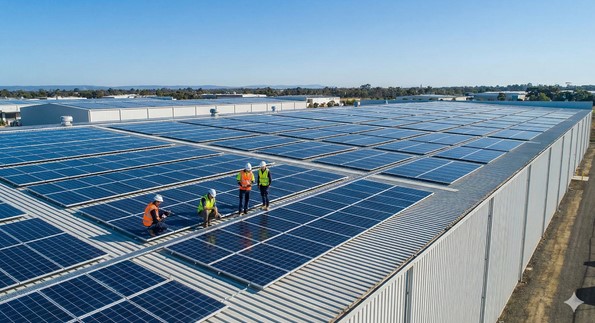
Understanding the OPEX/RESCO (PPA) Model and When It Works Best
The OPEX model, also called the RESCO or PPA model, works differently. A third-party developer invests in and owns the rooftop solar system installed at your premises. Your business pays only for the electricity generated. This payment usually takes place under a long-term Power Purchase Agreement (PPA) of 15 to 25 years.
In this model, the developer handles maintenance and performance risk. Businesses benefit from zero upfront investment and immediate savings compared to grid tariffs.
While OPEX reduces the initial capital burden, the system remains owned by the developer during the agreement period. This limits asset ownership benefits and long-term financial gains.
Comparing CAPEX vs OPEX – Key Differences
| Factor | CAPEX Model | OPEX / RESCO (PPA) Model |
|---|---|---|
| Upfront Investment | High, as you pay the full cost upfront | Zero investment because the developer covers all costs |
| Ownership | You own the entire system | The developer owns the system until the end of the agreement |
| Maintenance & Risk | You handle all maintenance and risk | The developer manages maintenance and takes on operational risk |
| Control Over Components | You have complete control over components and quality | Control is limited, as the developer selects components |
| Savings Timeline | Payback in 3–5 years, then electricity is almost free | Savings start from Day 1, but long-term costs may be higher |
| Best Suited For | Businesses with available capital and long-term savings goals | Businesses that want to avoid capital lock-in and prefer predictable monthly costs |
Market Trends: CAPEX Remains Strong While OPEX Continues to Grow
In India, rooftop solar installations have traditionally been driven by the CAPEX model, especially among small and medium enterprises.
Although OPEX adoption has grown, CAPEX continues to dominate in terms of total installations. Many projects are smaller in size and easier to finance directly, which supports CAPEX growth. Businesses that prioritise ownership, asset creation, and maximum lifetime savings often prefer CAPEX over long-term PPA commitments.
Why Mahindra Solarize Stands Out for Your Commercial Solar Rooftop
Mahindra Solarize focuses exclusively on CAPEX-based commercial solar rooftop installations. This focused approach allows us to deliver high-quality systems designed for faster payback and long-term efficiency.
We provide complete solar rooftop solutions. Our team manages design, engineering, installation, and performance support. We use certified panels and reliable inverters to ensure consistent generation and system durability.
By choosing Mahindra Solarize, businesses gain full ownership from day one. They also benefit from transparent execution, quality assurance, and strong after-sales support. Our expertise in CAPEX projects helps industries reduce electricity costs while building a long-term energy asset.
Which Model is Right for Your Industry?
Choose the CAPEX model if your business has the capital, wants full control of the system, and aims to maximise savings over the system’s lifespan. It is the stronger choice for organisations focused on asset ownership and long-term financial returns.
The OPEX model suits businesses that prefer zero upfront investment and do not wish to manage maintenance. However, for companies that want higher lifetime savings and complete ownership benefits, CAPEX offers greater long-term value.
At Mahindra Solarize, we help businesses implement efficient commercial solar rooftop systems through the CAPEX model. Contact us to explore the right solar rooftop solution for your organisation and start building long-term energy independence.
#commercial solar rooftop #solar rooftop solutions